
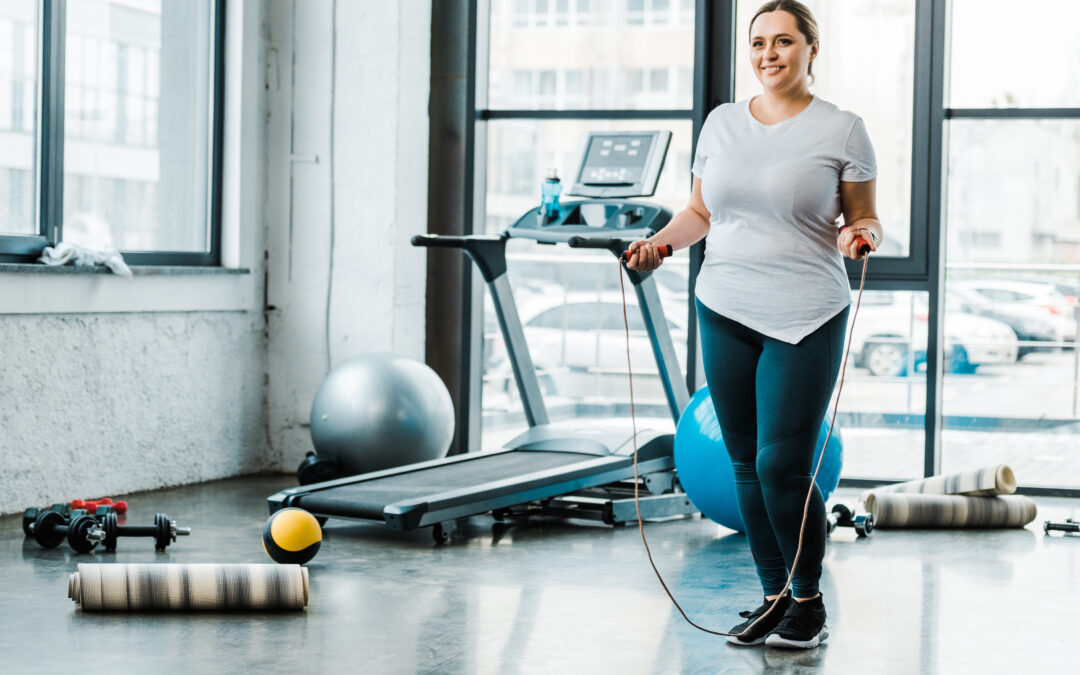
Some days you will feel ready to train. Other days, getting off the sofa feels like a big ask. If you are using GLP-1 medication, low-energy days can be more common, especially when your appetite is smaller and you are eating less than you used to.
The good news is that a low-energy day does not have to mean a lost day. With a few simple adjustments, you can keep your routine going, protect your strength and still recover well.
Why energy can dip
There are lots of everyday reasons energy can drop when your weight and appetite are changing:
- Eating less overall, or skipping meals when you are not hungry
- Not drinking enough fluids through the day
- Poor or broken sleep
- Work, family and life stress
- Starting a new training routine before your body has adapted
Some of these you can influence with small habits. If tiredness is severe, lasts for weeks or comes with other symptoms, speak to your GP or prescriber rather than pushing through.
Use a traffic-light check before you train
Before each session, take ten seconds to decide what kind of day it is. We use a simple traffic-light approach with our clients:
- Green day: you feel normal. Do your planned session as written.
- Amber day: you feel flat or tired, but well. Do a shorter, easier version of your session.
- Red day: you feel unwell, dizzy, faint or unable to eat or drink normally. Rest, and get medical advice if symptoms are worrying.
Amber days are where most of the benefit lies. Doing something small keeps the habit alive, and consistency over months matters far more than any single workout.
A 20-minute amber-day session
This full-body session works at home with little or no equipment. Go at an easy pace and stop well before you feel exhausted.
- Warm up (3 minutes): march on the spot, gentle arm circles and hip circles.
- Sit-to-stand from a chair: 2 sets of 8 to 10, slow and controlled.
- Wall or kitchen-worktop press-up: 2 sets of 8 to 10.
- Resistance band row (or a backpack row): 2 sets of 10.
- Glute bridge: 2 sets of 10.
- Easy walk (5 to 10 minutes): outside if you can.
Rest as long as you need between sets. The aim is to move, keep your muscles working and finish feeling better than when you started.
Small habits that help energy
- Eat something before you train where you can, ideally including some protein, such as yoghurt, eggs or a glass of milk.
- Sip fluids through the day, not just at meals.
- Train when your energy is usually highest. For many people that is mid-morning.
- Keep sessions short on busy or tired weeks. Two 20-minute sessions beat one session you never start.
- Protect your sleep with a regular bedtime and a wind-down routine.
When to stop and get advice
Stop exercising and seek advice if you notice chest pain, fainting, severe dizziness, unusual breathlessness, severe or persistent stomach pain, or you cannot keep fluids down. Contact your GP, pharmacist, prescriber or NHS 111. If symptoms feel severe or you are acutely unwell, call 999.
Final thoughts
Low-energy days are normal. The goal is not to push through every one, but to adjust sensibly so you keep moving, keep your strength and stay consistent over the long term.
Further reading
- Physical activity guidelines for adults aged 19 to 64 (NHS)
- Strength exercises (NHS)
- Water, drinks and hydration (NHS)
About the author: Alex Thomas is co-founder and head coach at My GLP-1 Coach, and a personal trainer and nutrition coach with over 30 years' experience. Meet the coaches.
Want support putting this into practice? Find out about our personalised exercise coaching.
This article is general fitness and lifestyle information, not medical advice. Speak to your GP, pharmacist or prescriber about your medication.