
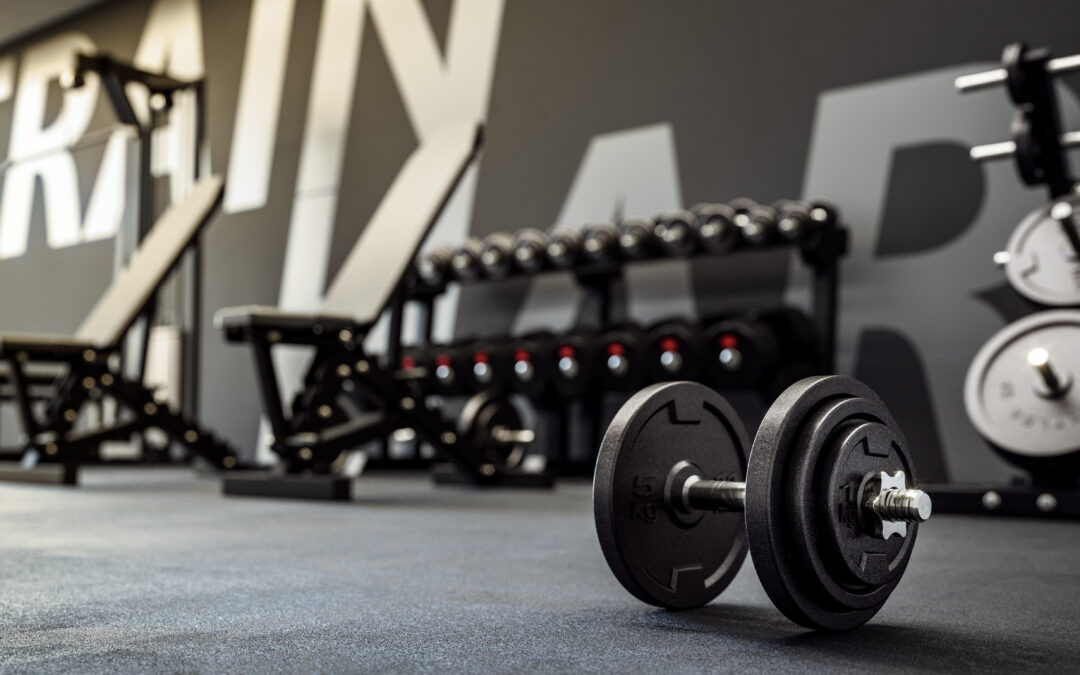
Strength training is one of the most useful forms of exercise for people using GLP-1 medication.
When appetite drops and weight starts changing, strength training can help support muscle, mobility, posture, confidence and long-term results. It can also help you feel more capable in everyday life.
The best strength training plan is not the hardest one. It is the one you can do consistently, safely and progressively.
My GLP-1 Coach provides fitness, nutrition and lifestyle coaching only. We do not prescribe, supply, recommend or advise on medication. Always speak to your GP, pharmacist or prescribing clinician for medication advice.
Why Strength Training Matters
Weight loss alone does not guarantee better fitness, strength or body composition.
If you lose weight without strength training, you may become lighter but not necessarily stronger. A well-designed resistance programme helps your body maintain and build useful strength while your weight changes.
Strength training can help with:
– Muscle retention
– Posture
– Joint support
– Balance
– Bone health
– Confidence
– Daily function
– Long-term weight maintenance
It is especially useful for beginners, over-40s and anyone worried about feeling weaker as they lose weight.
How Often Should You Strength Train?
A good starting point for many people is 2–3 strength sessions per week.
You do not need to train every day. In fact, recovery matters. Your body needs time to adapt between sessions.
A simple weekly structure could look like:
– Monday: Full-body strength
– Wednesday: Walking or light movement
– Friday: Full-body strength
– Weekend: Optional mobility or gentle activity
As confidence improves, you can add a third strength session.
What Should Each Session Include?
A balanced strength session should train the main movement patterns:
– Squat or leg press pattern
– Hip hinge pattern
– Push pattern
– Pull pattern
– Core stability
– Carry or balance work
This helps create a full-body plan rather than only training one area.
Beginner Full-Body Workout
Here is a simple example:
Warm-up
5–10 minutes of gentle movement, such as walking, cycling or rowing.
Then add a few mobility movements for hips, shoulders and spine.
Main workout
- Sit-to-stand or goblet squat
- Dumbbell Romanian deadlift
- Seated row or resistance band row
- Chest press or incline press-up
- Step-up or split squat variation
- Shoulder press
- Dead bug or plank variation
Start with 2 sets of 8–12 repetitions for each exercise.
Rest for 60–90 seconds between sets.
How Hard Should It Feel?
Your strength training should feel challenging, but not overwhelming.
A good guide is to finish each set feeling like you could still do 1–3 more repetitions with good technique.
If every session leaves you exhausted, it may be too much. If every session feels very easy, it may not be enough to create progress.
The aim is steady improvement.
Progress Gradually
Progress does not always mean lifting heavier weights.
You can progress by:
– Adding repetitions
– Adding another set
– Improving technique
– Slowing the movement down
– Increasing range of movement
– Using slightly heavier weights
– Reducing rest time slightly
– Feeling more controlled and confident
Small improvements add up.
What If Energy Is Low?
Some people feel lower in energy when appetite is reduced. If that happens, your plan may need adjusting.
You might need:
– Shorter sessions
– Longer rests
– Fewer exercises
– More recovery
– Better meal timing
– More protein and fluids
– A lower-intensity session
Do not force a hard session if you feel unwell, dizzy or unusually weak. Speak to a healthcare professional if symptoms are concerning.
Strength Training at Home
You can make progress at home with:
– Dumbbells
– Resistance bands
– Kettlebells
– A chair
– A step
– Bodyweight exercises
The key is not fancy equipment. The key is consistency and progression.
Final Thoughts
The best strength training plan for GLP-1 users is simple, structured and realistic.
Train the whole body 2–3 times per week, focus on good technique, progress gradually and support your training with nutrition, hydration and recovery.
If you want a personalised plan, My GLP-1 Coach can help you build strength, protect muscle and train with confidence.
Book a free consultation to get started.
Further reading
About the author: Alex Thomas is co-founder and head coach at My GLP-1 Coach, and a personal trainer and nutrition coach with over 30 years' experience. Meet the coaches.
Want support putting this into practice? Find out about our personalised exercise coaching.
This article is general fitness and lifestyle information, not medical advice. Speak to your GP, pharmacist or prescriber about your medication.