
One of the most common changes people notice when using GLP-1 medication is a lower appetite.
Eating less may feel helpful at first, especially if weight loss is the goal. But when appetite drops, it becomes even more important to think about the quality of the food you do eat.
Protein is one of the key nutrients to prioritise.
My GLP-1 Coach provides fitness, nutrition and lifestyle coaching only. We do not prescribe, supply, recommend or advise on medication. Always speak to your GP, pharmacist or prescribing clinician for medication advice.
Why Protein Is Important
Protein helps support muscle, recovery, immune function and general health. It is especially important when body weight is changing and food intake is lower.
If you are eating smaller portions, skipping meals or feeling full quickly, protein can easily drop without you noticing.
That can make it harder to:
– Maintain muscle
– Recover from exercise
– Feel satisfied
– Support energy
– Train consistently
– Maintain strength
This is why protein should be planned rather than left to chance.
Lower Appetite Can Make Protein Harder
When appetite is lower, large meals may feel uncomfortable. You may also find that you prefer lighter foods or snack-style meals.
That does not mean you need to force huge portions. It means you may need to make protein easier to include.
For example, instead of aiming for one large meal, you might do better with smaller protein-focused meals across the day.
Easy Protein Options
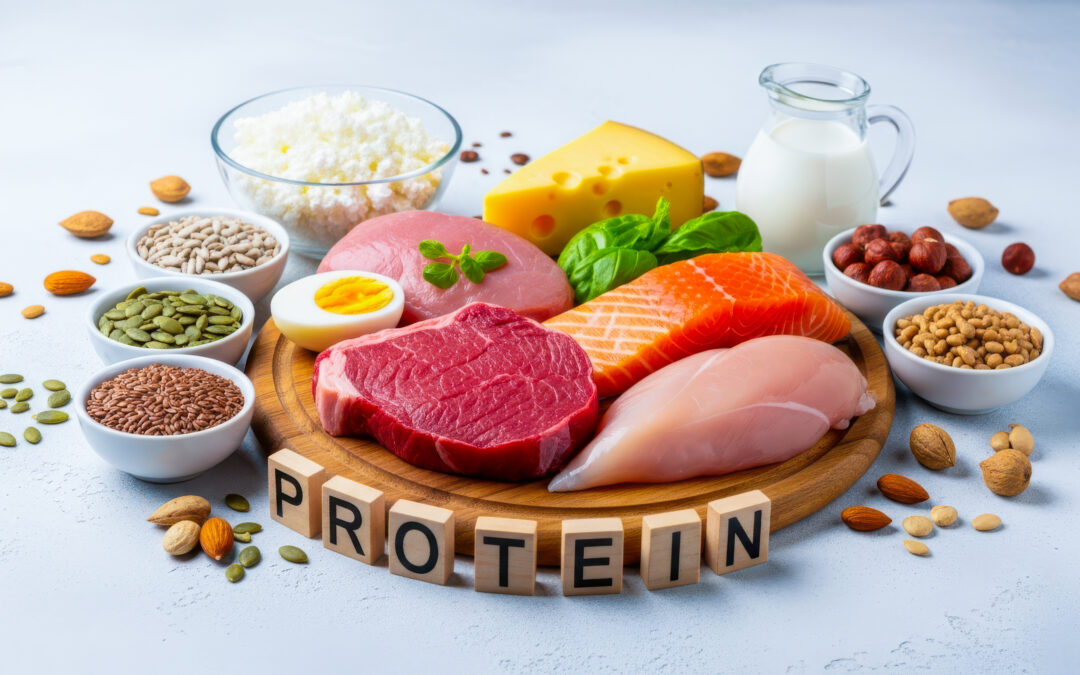
Useful protein foods include:
– Greek yoghurt
– Eggs
– Chicken
– Turkey
– Fish
– Lean meat
– Cottage cheese
– Tofu
– Tempeh
– Beans
– Lentils
– Protein smoothies
– Protein puddings
– Milk or fortified alternatives
The best options are the ones you enjoy and tolerate well.
Build Meals Around Protein First
A simple method is to choose the protein part of your meal first, then add vegetables, carbohydrates and healthy fats around it.
For example:
– Eggs with toast and tomatoes
– Greek yoghurt with berries
– Chicken with rice and vegetables
– Tuna with jacket potato and salad
– Tofu stir-fry with noodles
– Cottage cheese with fruit
– Salmon with potatoes and greens
This keeps meals balanced without needing strict rules.
What If You Feel Full Quickly?
If you feel full quickly, try:
– Smaller meals
– Softer protein foods
– Smoothies
– Yoghurt-based meals
– Soups with added protein
– Eating slowly
– Avoiding very large portions
– Keeping protein snacks available
If nausea, vomiting, constipation or other symptoms are affecting your eating, speak to your healthcare professional. NHS medicine information lists gastrointestinal symptoms such as nausea, vomiting, constipation and diarrhoea among common side effects of semaglutide, so ongoing symptoms should not be ignored.
Protein and Strength Training Work Together
Protein is important, but it works best alongside strength training.
Think of strength training as the signal to keep or build muscle, and protein as part of the support your body needs to respond to that signal.
If you are losing weight, eating protein but not training may not be enough. If you are training but under-eating protein, progress may also be harder.
Both matter.
Avoid All-or-Nothing Thinking
You do not need a perfect diet.
Start with one improvement:
– Add protein to breakfast
– Keep Greek yoghurt in the fridge
– Add chicken, tofu or beans to lunch
– Use a protein smoothie when appetite is low
– Plan your protein before the day gets busy
Small changes can make a big difference when done consistently.
Final Thoughts
When appetite is lower, protein matters more, not less.
Prioritising protein can help support muscle, recovery, energy and long-term results while your body is changing.
If you need help building a realistic nutrition plan around your appetite, routine and goals, My GLP-1 Coach can support you.
Book a free consultation to get started.
Further reading
- Protein (British Nutrition Foundation)
- The Eatwell Guide (NHS)
About the author: Alex Thomas is co-founder and head coach at My GLP-1 Coach, and a personal trainer and nutrition coach with over 30 years' experience. Meet the coaches.
Want support putting this into practice? Find out about our GLP-1-friendly nutrition coaching.
This article is general fitness and lifestyle information, not medical advice. Speak to your GP, pharmacist or prescriber about your medication.