
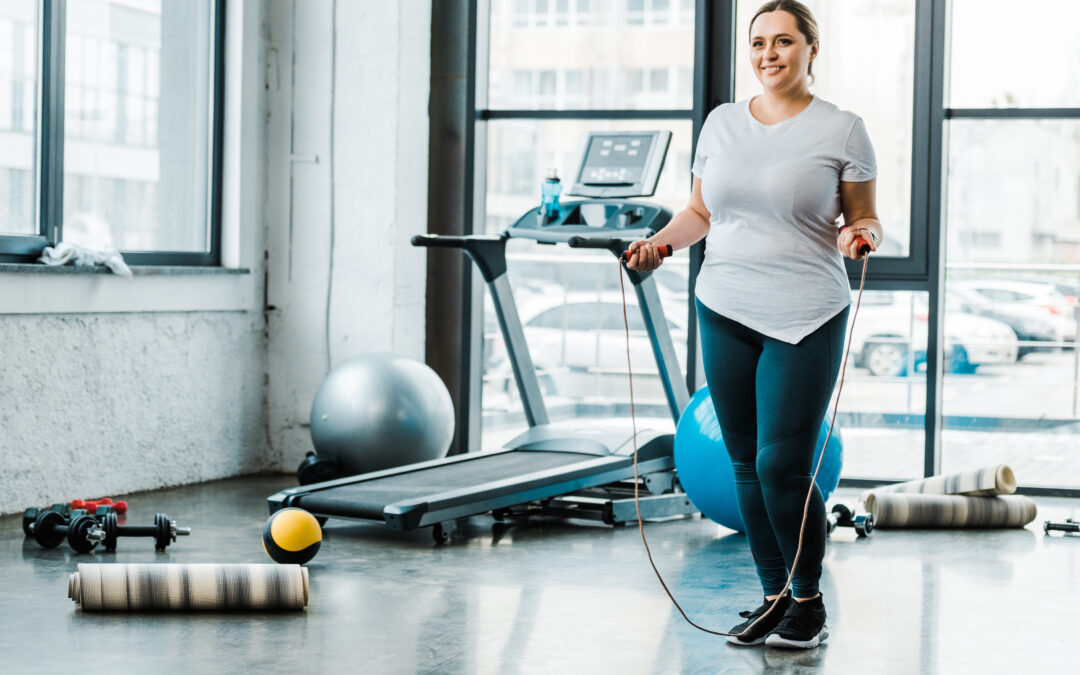
When GLP-1 medication reduces appetite, it can be tempting to think exercise matters less.
But exercise is not just about burning calories.
Exercise helps support strength, muscle, mobility, energy, confidence, mood, heart health and long-term lifestyle change. That means it still matters, even when medication is playing a role in weight loss.
My GLP-1 Coach provides fitness, nutrition and lifestyle coaching only. We do not prescribe, supply, recommend or advise on medication. Always speak to your GP, pharmacist or prescribing clinician for medication advice.
Medication Does Not Replace Movement
GLP-1 medication may support appetite and weight change, but it does not automatically improve strength, posture, balance or fitness.
Those qualities come from movement and training.
Exercise can help you:
– Maintain muscle
– Improve cardiovascular fitness
– Support joint health
– Build confidence
– Improve energy
– Increase mobility
– Feel more capable
– Create long-term habits
NHS England guidance for weight management injections states that people prescribed tirzepatide should take part in regular physical activity alongside a balanced reduced-calorie diet, which supports the importance of lifestyle habits during treatment.
Strength Training Should Come First
For many GLP-1 users, strength training should be the foundation.
This is because weight loss can involve some loss of lean tissue. Strength training helps give your body a reason to keep muscle.
Good options include:
– Dumbbell exercises
– Resistance machines
– Bodyweight training
– Resistance bands
– Kettlebell exercises
– Squats, rows, presses and hinges
You do not need to start with heavy weights. You need to start with good technique and a plan you can repeat.
Cardio Still Has a Place
Cardio is useful too, but it does not need to be extreme.
Walking, cycling, rowing, swimming or gentle intervals can help support fitness and energy.
If you are new to exercise, start with manageable amounts and build gradually.
A simple target could be:
– 10–20 minutes of walking most days
– 2–3 strength sessions per week
– Gentle mobility work on rest days
Consistency matters more than intensity at the beginning.
Exercise Helps With Confidence
One of the most powerful benefits of exercise is how it changes the way you feel about your body.
Weight loss may change how your body looks, but exercise can change how your body feels.
You may notice:
– Better posture
– More energy
– Easier stairs
– Improved balance
– Better mood
– More confidence in clothes
– Feeling stronger and more in control
These wins matter.
Exercise Supports Long-Term Maintenance
Long-term results are built through habits.
If all your progress depends on appetite reduction alone, you may feel less prepared if your appetite changes later.
Exercise gives you a foundation to build on. It becomes part of your normal routine and supports maintenance beyond the medication phase.
What If You Feel Too Tired?
Some people struggle with energy, especially if they are eating much less.
If this happens, reduce the intensity rather than stopping completely.
Try:
– Shorter sessions
– Longer rests
– Lower weights
– Walking instead of intense cardio
– Training after a meal
– Prioritising hydration
– Checking protein intake
If tiredness feels severe or unusual, speak to a healthcare professional.
Final Thoughts
GLP-1 medication may help with appetite and weight loss, but exercise still plays a major role in health, strength and long-term results.
The right exercise plan does not need to be extreme. It needs to be realistic, progressive and built around your body.
If you want support with safe, structured exercise while using GLP-1 medication, My GLP-1 Coach can help.
Book a free consultation to get started.
Further reading
About the author: Alex Thomas is co-founder and head coach at My GLP-1 Coach, and a personal trainer and nutrition coach with over 30 years' experience. Meet the coaches.
Want support putting this into practice? Find out about our personalised exercise coaching.
This article is general fitness and lifestyle information, not medical advice. Speak to your GP, pharmacist or prescriber about your medication.